Trauma Therapy
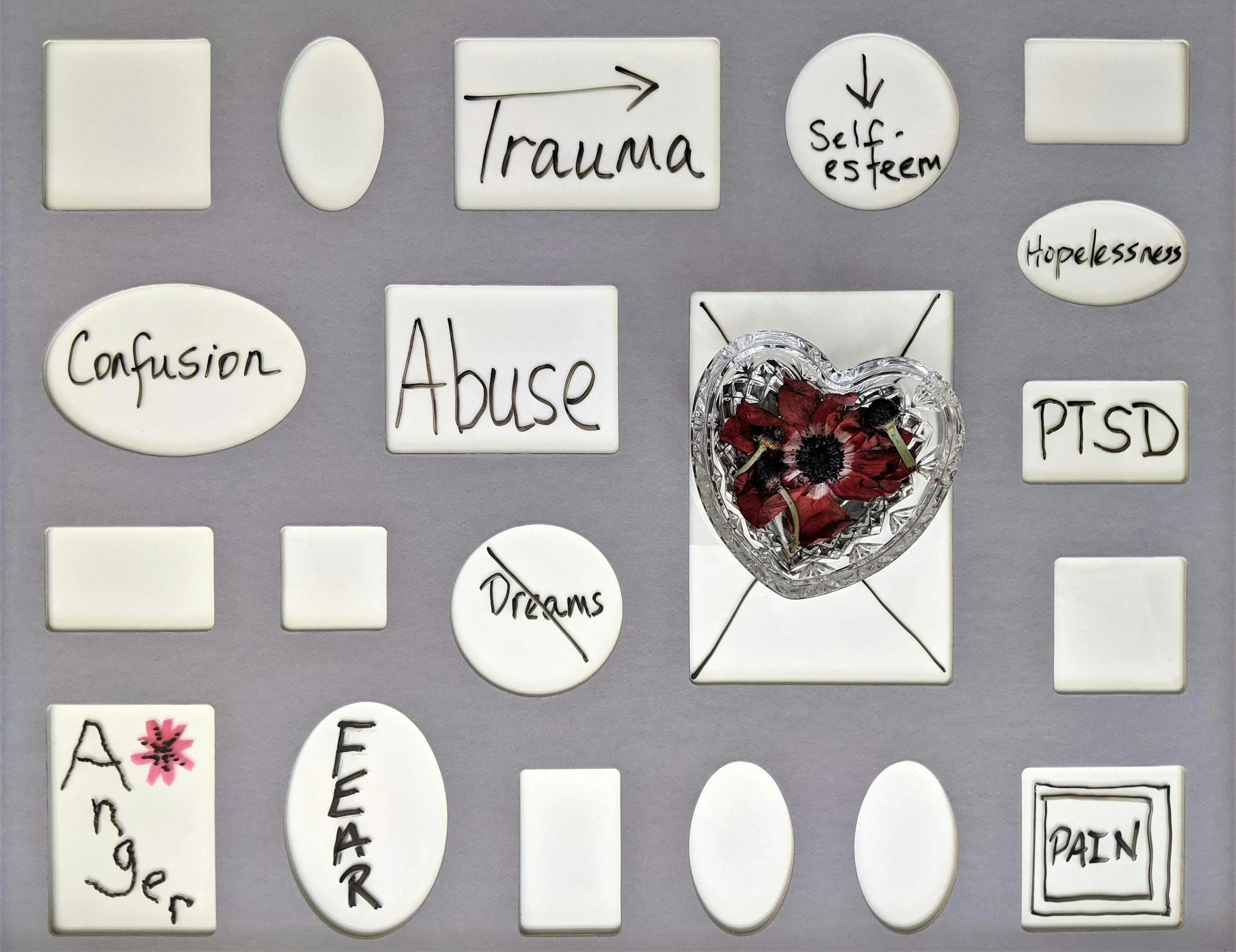
What Is Trauma Therapy?
Compassionate, Evidence-Based Trauma Therapy with
Gen Judayna, LCSW, PMH-C

Trauma therapy is a specialized form of psychotherapy that helps individuals process the emotional, psychological, and physical effects of overwhelming life experiences. Trauma can result from a single event or from repeated experiences over time, affecting how a person thinks, feels, relates to others, and experiences safety in the world.

Gen Judayna offers trauma therapy that is individualized, evidence-based, and grounded in a trauma-informed approach that recognizes healing happens at your pace. The goal is not to erase the past but to reduce its impact so you can move forward with greater peace, resilience, and connection.
What Is Trauma?

"Two people can experience the same event differently. Trauma is defined not only by what happened, but by how the experience affected your nervous system and your ability to feel safe."
Trauma occurs when an experience overwhelms your ability to cope. While many people associate trauma with life-threatening events, trauma can also develop from experiences that repeatedly leave you feeling powerless, unsafe, unseen, or emotionally overwhelmed.

Trauma may result from:

Childhood abuse or neglect
Domestic violence
Sexual assault
Emotional or psychological abuse
Medical trauma
Pregnancy loss or birth trauma
Grief and sudden loss
Serious accidents
Military service
Community violence
Chronic stress
Difficult childhood relationships
Complex or developmental trauma
Signs Trauma May Still Be Affecting You

How Trauma Therapy Helps
Trauma therapy helps you better understand how past experiences continue to influence your present life. Together, we work to reduce emotional distress, strengthen coping skills, improve emotional regulation, and help your nervous system experience greater safety and stability.
A Trauma-Informed Approach
Being trauma-informed means recognizing that many emotional and behavioral struggles are understandable responses to difficult experiences. Rather than asking, "What's wrong with you?" trauma-informed care asks, "What happened to you, and how has it affected your life?"
This approach emphasizes:
Emotional safety
Collaboration
Respect
Choice
Empowerment
Cultural sensitivity
Evidence-based care
Healing occurs through understanding, connection, and developing new ways of responding to life's challenges.
Trauma can influence nearly every area of life. Common symptoms include: Anxiety or panic Feeling constantly on guard or easily startled Difficulty trusting others Nightmares or intrusive memories Trouble sleeping or insomnia Emotional numbness Feeling disconnected from yourself or others Depression Shame or self-criticism Difficulty concentrating Irritability or anger Avoiding reminders of painful experiences Feeling "stuck" despite understanding what happened Many people are surprised to learn that these responses are normal adaptations to overwhelming experiences rather than personal weaknesses.
What to Expect During Trauma Therapy
Your first sessions focus on understanding your history, current concerns, strengths, and goals. There is never pressure to share details before you are ready.
Many clients begin by learning practical skills to manage anxiety, improve sleep, regulate emotions, and reduce the physical effects of chronic stress before exploring painful memories in greater depth.
Therapy progresses at a pace that feels safe and manageable.
Is Trauma Therapy Right for You?
Trauma therapy may be helpful if you are experiencing:
PTSD or complex trauma
Anxiety or panic attacks
Depression
Insomnia
Chronic stress
Relationship difficulties
Grief and loss
Perinatal mental health concerns
Emotional overwhelm
Difficulty moving forward after painful experiences
You do not need to have experienced a single catastrophic event to benefit from trauma therapy. Many people seek treatment after years of cumulative stress, emotional wounds, or difficult life experiences

Begin Your Healing Journey
Healing from trauma is not about forgetting the past. It is about reducing its hold on your present, reconnecting with your strengths, and creating a life that feels safer, more meaningful, and more aligned with who you are.
If you're ready to begin trauma-informed therapy, Gen Judayna welcomes the opportunity to support you on your path toward healing.